What Comes Next for the EURUSD? 1.10 Will be the End of the Trend?
2025-03-14 10:05:53



USD Strength and the Trump Factor
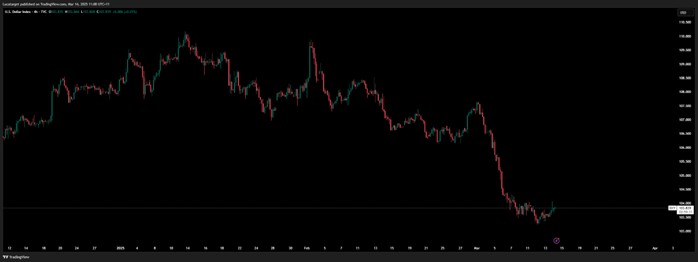
The U.S. dollar (DXY) remains at an elevated level in real effective exchange rate (REER) terms, marking the strongest position at a presidential election date since 1984. This highlights a significantly different macroeconomic landscape compared to previous election cycles. Trump's first administration focused on tax cuts before implementing trade tariffs, a strategy that had far-reaching effects on economic growth and inflation. However, the U.S. economy today is in a different phase, with debt-to-GDP now fifteen percentage points higher than in 2016. Equity markets also reflect this shift, with the S&P 500 trading at a price-to-earnings ratio of twenty-two times compared to sixteen and a half times in November 2016. Inflation remains a central issue, currently running approximately two percentage points higher than during Trump's first election. These factors contribute to an uncertain policy environment, with investors closely monitoring potential economic strategy shifts and their impact on the dollar.
DXY H4 Chart
Tariffs and Global Trade: Unpacking the Ripple Effects
The introduction of a fresh wave of tariffs is having a mixed impact across global economies. Canada and Mexico are experiencing significant consequences from U.S. trade policies, while China has responded with countermeasures, including additional tariffs on U.S. energy and agricultural imports. The latest measures include a twenty-five percent tariff on Canadian and Mexican goods, though some exemptions apply to products compliant with the USMCA trade agreement. China has expanded its "unreliable entity" list, targeted U.S. firms and implementing new export controls on critical rare earth materials. Additionally, new steel and aluminum tariffs are estimated to impact goods worth one hundred and fifty billion dollars globally, raising concerns about disruptions in supply chains. Although markets have adapted to past tariff cycles, the latest round of measures could still generate volatility, particularly in commodities and manufacturing sectors.
EUR/USD Outlook: The Impact of German Fiscal Expansion
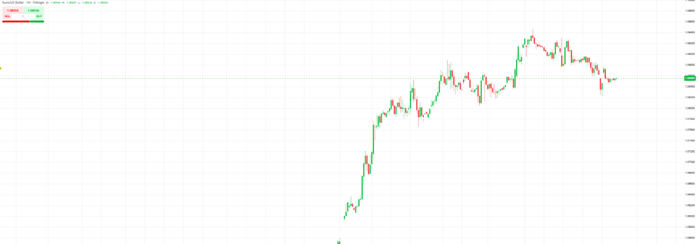
One of the primary drivers of the recent strength in the euro has been Germany’s shift in fiscal policy. Chancellor-in-waiting Friedrich Merz has proposed ambitious spending plans, including a five-hundred-billion-euro infrastructure fund to enhance transport, energy security, and digital capabilities. In addition to these initiatives, a proposed exemption from the debt brake would allow for open-ended defense spending, increasing Germany’s defense budget to between three and three and a half percent of GDP. The European Commission has also announced the "REARM Europe" initiative, which provides fiscal rule exemptions amounting to six hundred and fifty billion euros in additional defense expenditures. These moves mark a significant departure from previous EU fiscal policies, leading to a sharp rise in Bund yields and narrowing the yield spread between U.S. and German ten-year bonds. As a result, the euro has experienced one of its strongest rallies in a decade, as investors reassess European growth prospects.
EURUSD H1 Chart
Positioning and Market Sentiment
Market positioning data from the Commodity Futures Trading Commission (CFTC) reveals a shift in investor sentiment, with leveraged funds reducing their U.S. dollar holdings in favour of the euro. The rapid appreciation of the euro raises questions about the sustainability of this trend, especially given that the recent move has pushed the currency beyond short-term fair value models. Historically, when Bund yields have experienced extreme moves, EUR/USD has shown a tendency to correct in the following months. Additionally, potential risks remain regarding the execution of Germany’s fiscal plans, which depend on political cohesion and legislative approvals. If any obstacles arise, they could temper the euro’s recent gains.
Several key questions will shape currency market movements in the coming months. The extent of the U.S. economic slowdown remains uncertain, with equity market performance and real income trends serving as crucial indicators. A pronounced market correction could heighten recession risks. Additionally, while tariffs continue to influence foreign exchange markets, investors appear to be pricing in the assumption that Trump's negotiating tactics may not lead to prolonged disruptions. The reaction in Bund yields also remains a focal point, as the extent of Germany’s fiscal expansion supports higher yields. Current forecasts suggest real GDP could reach two percent in 2026, up from a previous estimate of just 0.8 percent, justifying a thirty to forty basis point increase in ten-year yields. However, execution risks surrounding Germany’s ambitious plans could introduce additional volatility.
With these dynamics in play, the coming months will be critical in determining whether the euro’s recent strength is sustainable or if a correction is on the horizon.
This content may have been written by a third party. ACY makes no representation or warranty and assumes no liability as to the accuracy or completeness of the information provided, nor any loss arising from any investment based on a recommendation, forecast or other information supplies by any third-party. This content is information only, and does not constitute financial, investment or other advice on which you can rely.
Try These Next