


Eurozone Inflation and German Consumer Trends
2024-12-02 11:36:57



The European Central Bank (ECB) faces a critical decision as inflation pressures shape monetary policy expectations. November's eurozone flash Consumer Price Index (CPI) has all but dismissed the likelihood of a significant 50 basis-point rate cut in December.
Eurozone CPI

While some CPI figures from Spain and Germany fell slightly short of forecasts, a dramatic undershoot across the eurozone would be required to realign market expectations towards a larger cut. As it stands, only a modest 30 basis-point cut is priced in, reflecting cautious optimism from market participants. I’ve made some comments about the EUR on this blog post you can read it HERE.
ECB Rate Cut Expectations
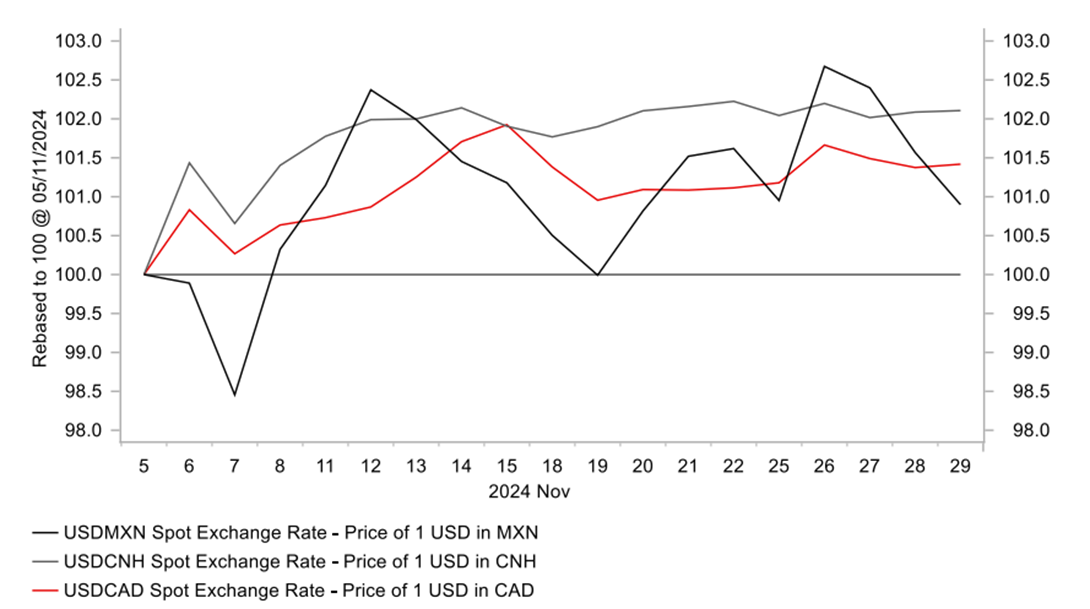
Key Insights:
- Long-term inflation metrics, such as the 5Y5Y inflation forward, have slipped below the ECB's target of 2%, echoing concerns from the pre-pandemic era.
- Structural forces—demographics, decarbonization, and deglobalization—are anticipated to exert upward inflationary pressure, complicating the ECB’s task.
- Fiscal policies and growth uncertainties further add to the complexity, with France’s efforts to control its fiscal deficit standing out as a political and economic balancing act.
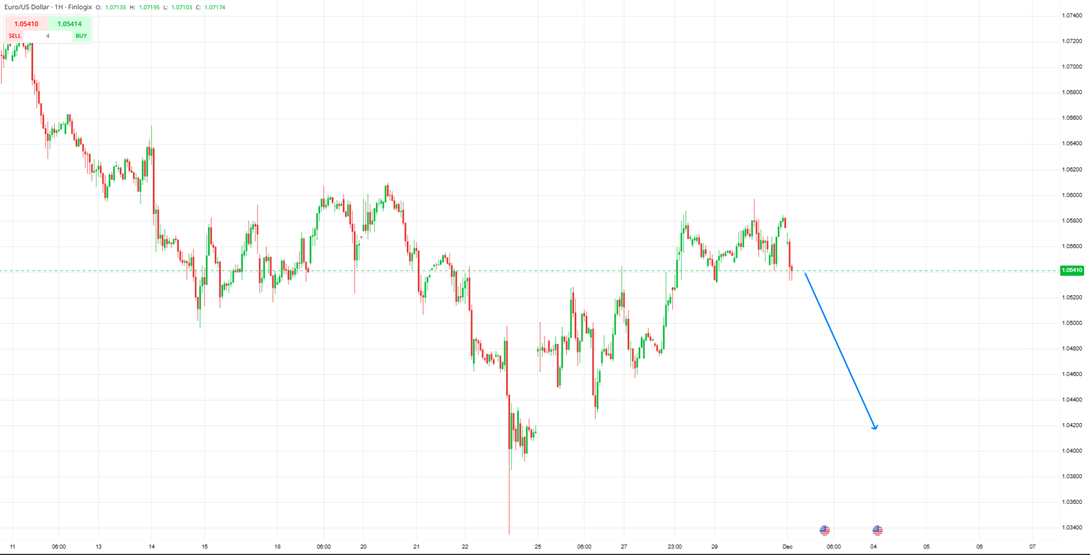
EURUSD H1 Chart
The German Consumer Confidence Crisis
Germany, Europe’s largest economy, illustrates a sobering challenge for the region's economic stability. A confluence of declining retail sales, softening labour markets, and increasing bankruptcies has placed consumer sentiment at its lowest since May. While real wage improvements offer a glimmer of hope, structural issues continue to overshadow consumption potential for 2025.
German Data
What’s Driving the Concern?
- Labour Market Strains: Recent job growth has been concentrated in low-wage and public sector roles, offering limited resilience against economic shocks.
- Rising Unemployment Risks: Increasing bankruptcies and cautious recruitment trends in both industry and services indicate mounting pressures.
- Consumption: The Wild Card: Although real wages have improved, the shift in union focus from wage hikes to job security suggests muted wage growth ahead.
On the brighter side, reduced interest rates and stabilized political environments may eventually lower savings rates and reinvigorate consumer spending.
Europe’s economic future hangs in a delicate balance, with inflation expectations, fiscal policies, and consumer behaviour playing pivotal roles. For policymakers, the challenge lies in crafting responses that address short-term vulnerabilities without compromising long-term stability.
This content may have been written by a third party. ACY makes no representation or warranty and assumes no liability as to the accuracy or completeness of the information provided, nor any loss arising from any investment based on a recommendation, forecast or other information supplies by any third-party. This content is information only, and does not constitute financial, investment or other advice on which you can rely.
Try These Next
4 Powerful Tactics to Overcome the Most Costly Forex Mistakes

How to Master MT4 & MT5 - Tips and Tricks for Traders
The Importance of Fundamental Analysis in Forex Trading
Forex Leverage Explained: Mastering Forex Leverage in Trading & Controlling Margin
The Importance of Liquidity in Forex: A Beginner's Guide
Close All Metatrader Script: Maximise Your Trading Efficiency and Reduce Stress
Best Currency Pairs To Trade in 2025
Forex Trading Hours: Finding the Best Times to Trade FX
MetaTrader Expert Advisor - The Benefits of Algorithmic Trading and Forex EAs
Top 5 Candlestick Trading Formations Every Trader Must Know






0,0 pips
verspreidt zich van
1:500
hefboomwerking
Onder de 30 ms*
ultrasnelle orderverwerking
Meer dan 2.200
Verhandelbare instrumenten
Gereguleerd
Het hoofdkantoor is gevestigd in Sydney