Minimalist Trading Indicators: The Only Tools Beginners Need
2025-12-01 10:21:05


Most beginners think trading becomes easier when you add more tools - more indicators, more lines, more oscillators, more signals.
But every consistently profitable trader eventually arrives at the opposite truth:
Simplicity isn’t a limitation. It’s an edge.
When your chart is clean, your brain is clear.
When your tools are minimal, your decisions are precise.
When your system is focused, your execution becomes consistent.
This module builds on your earlier foundations - learning the basics through “Introduction to Trading: What Beginners Must Understand”, choosing your market through “Choosing Your Trading Market: Forex, Gold, or Indices”, learning the price language through “Understanding Market Structure (The Language of Price)”, and selecting your primary setup through “Beginner Trading Strategy: How to Choose One Setup and Commit”.
Now, we answer the next critical question:
Which tools should actually be on your chart - and which ones should you eliminate completely?
This feature walks you through the real toolkit used by professionals, the ones that help you focus instead of confuse you. By the end, you’ll understand exactly how to build a clean, reliable visual system that aligns with your chosen strategy.
Why Tools Matter - But Not How You Think
Most beginners approach indicators the wrong way.
They treat tools like shortcuts.
“If I just find the right indicator, I won’t have to think.”
“If this one flashes BUY/SELL, it must be reliable.”
“If someone with a million views uses it, I should too.”
But trading doesn’t work like that.
Indicators are interpretive tools, not predictive tools.
They translate price.
They don’t override price.
This is why guides such as “Learn Trading From Scratch: Clean, Simple, Zero-Noise” emphasize building your foundation around market structure first, not indicators.
You don’t use tools to replace thinking.
You use tools to support reasoning.
And that’s where a minimalist approach becomes powerful.
What a Minimalist Toolkit Really Means
A minimalist toolkit is not “no indicators.”
It means:
- No redundancy (multiple tools doing the same thing)
- No clutter
- No laggy, ambiguous signals
- No emotional overload
- No chart that looks like a rainbow exploded on it
It means your chart reflects one idea:
“Here’s what the market is doing, and here’s how I’m responding.”
Your tools must help you interpret:
- trend
- structure
- key levels
- execution timing
- targets and stops
Nothing more.
And the simplest way to achieve that is by choosing one primary lens and one confluence tool, based on the strategy you selected earlier through resources like “Forex Trading Strategy for Beginners” or “Complete Step-by-Step Guide to Day Trading Gold”.
The Minimalist Toolkit - Six Core Options
Below are six tool categories that actually matter.
Each one connects directly to specific ACY resources that help reinforce use-cases, context, and best practices.
Think of this list as a professional menu -
you choose what aligns with your strategy, timing, and personality.
1. Price Action & Key Levels
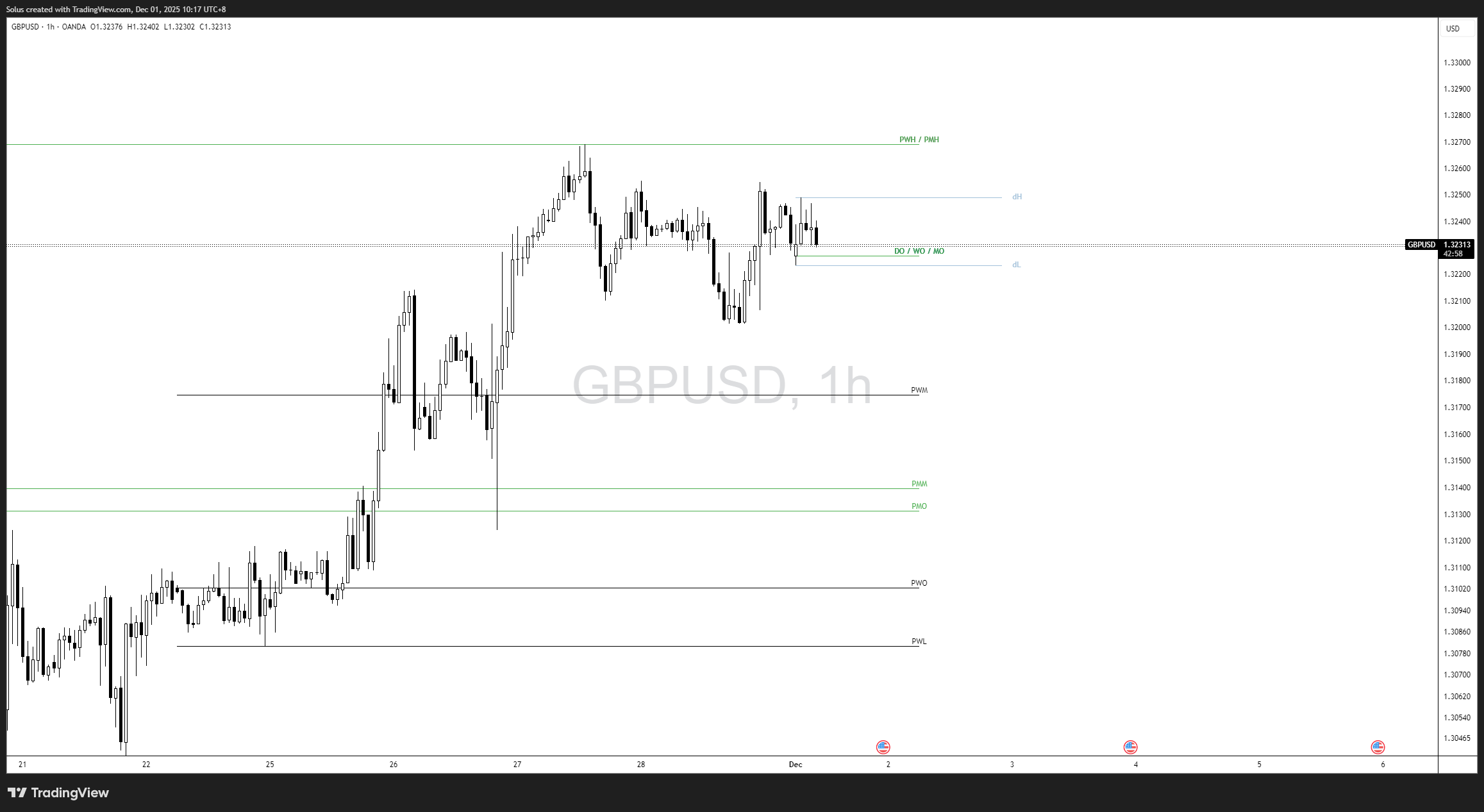
The backbone of all professional trading
Before any indicator exists, price exists.
Swings.
Levels.
Breakouts.
Rejections.
Trends and consolidations.
This approach is the purest form of market reading.
It’s also the most transferable, since it underpins advanced strategies like SMC, liquidity concepts, and institutional order flow.
Your strongest resources here include:
- “How to Think Like a Price Action Trader”
- “Mastering Price Action at Key Levels”
- “Ultimate Guide to Market Trends & Price Action”
The idea is simple:
- Mark your levels
- Watch how price behaves as it approaches them
- Trade reactions, not predictions
On a minimalist chart, this can mean:
- a few horizontal levels
- swing highs and lows
- one or two key zones
- clean candles
- no overlapping indicators
This is the closest thing to trading with “pure vision.”
2. Moving Averages
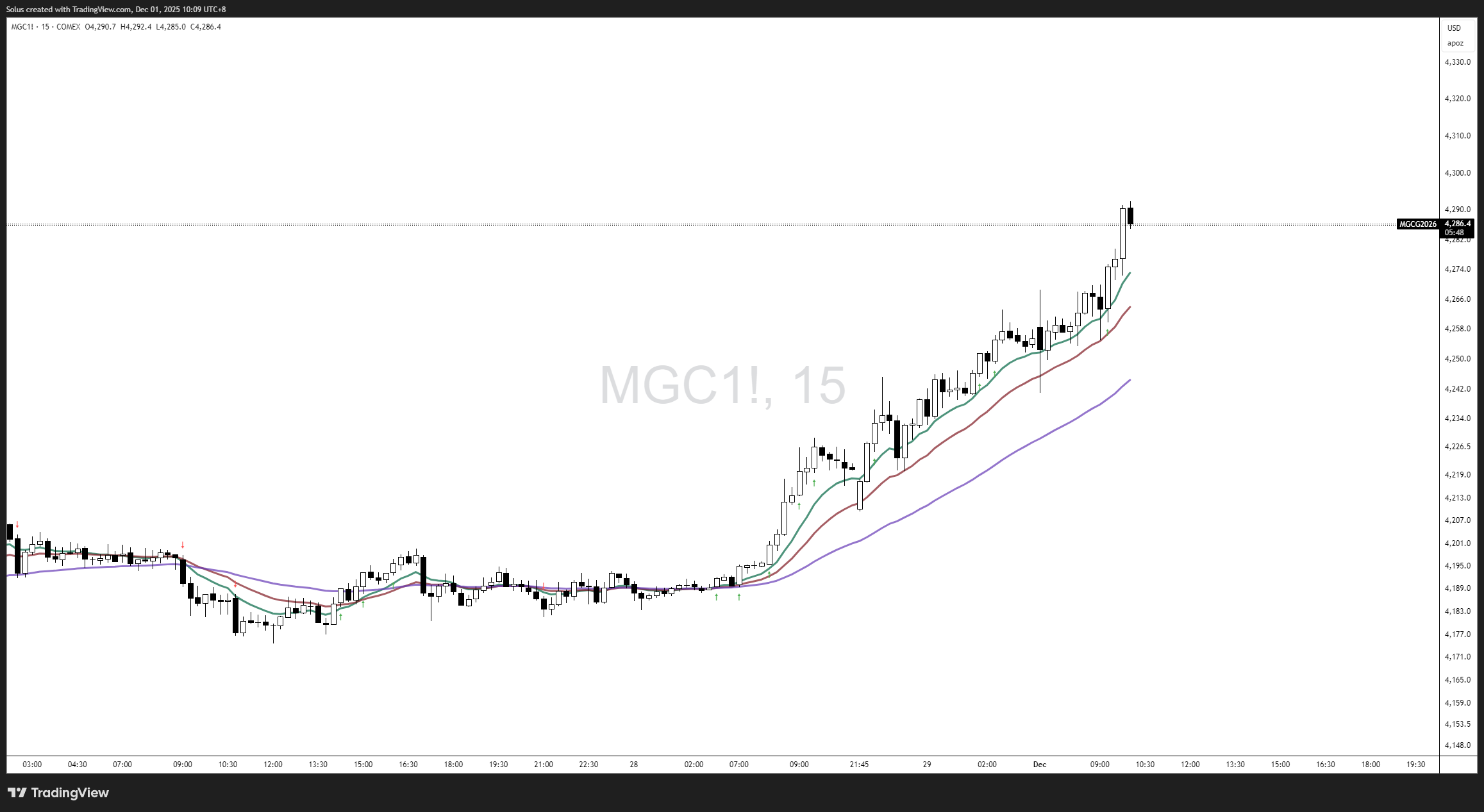
The simplest, cleanest way to track trend and structure
If pure key levels feel too naked, moving averages are a perfect complement.
They help you quickly identify:
- trend direction
- dynamic support/resistance
- retracement zones
- momentum shifts
Your full playbook for this lens is found in:
A popular minimalist combination:
- 20 EMA → structure & momentum
- 50 EMA → trend filter
Nothing more.
If your strategy revolves around:
- trend continuation
- pullback entries
- open-session momentum
- SMC-style displacement trends
…moving averages give clarity without clutter.
They were built for clean strategies such as:
3. Fibonacci Retracement & Extensions

Structured targets, structured stops, structured decisions
Fibonacci is not astrology.
It’s a framework - a structured way of mapping:
- pullbacks
- extensions
- reward-to-risk
- targets
The power of Fibonacci is explained in:
- “How to Use Fibonacci to Set Targets & Stops (Complete Guide)”
- “Fibonacci Trading Psychology - Trusting the Levels”
Minimalist Fibonacci setups typically use:
- 38.2%
- 50%
- 61.8%
- 1.0 extension
- 1.272 extension
- 1.618 extension
Fibonacci excels in systems like:
- trend pullback strategies
- breakout-retest strategies
- SMC-based FVG + swing retracement setups
This tool is for traders who want structure built into every trade.
4. Candlestick Patterns (With Context)
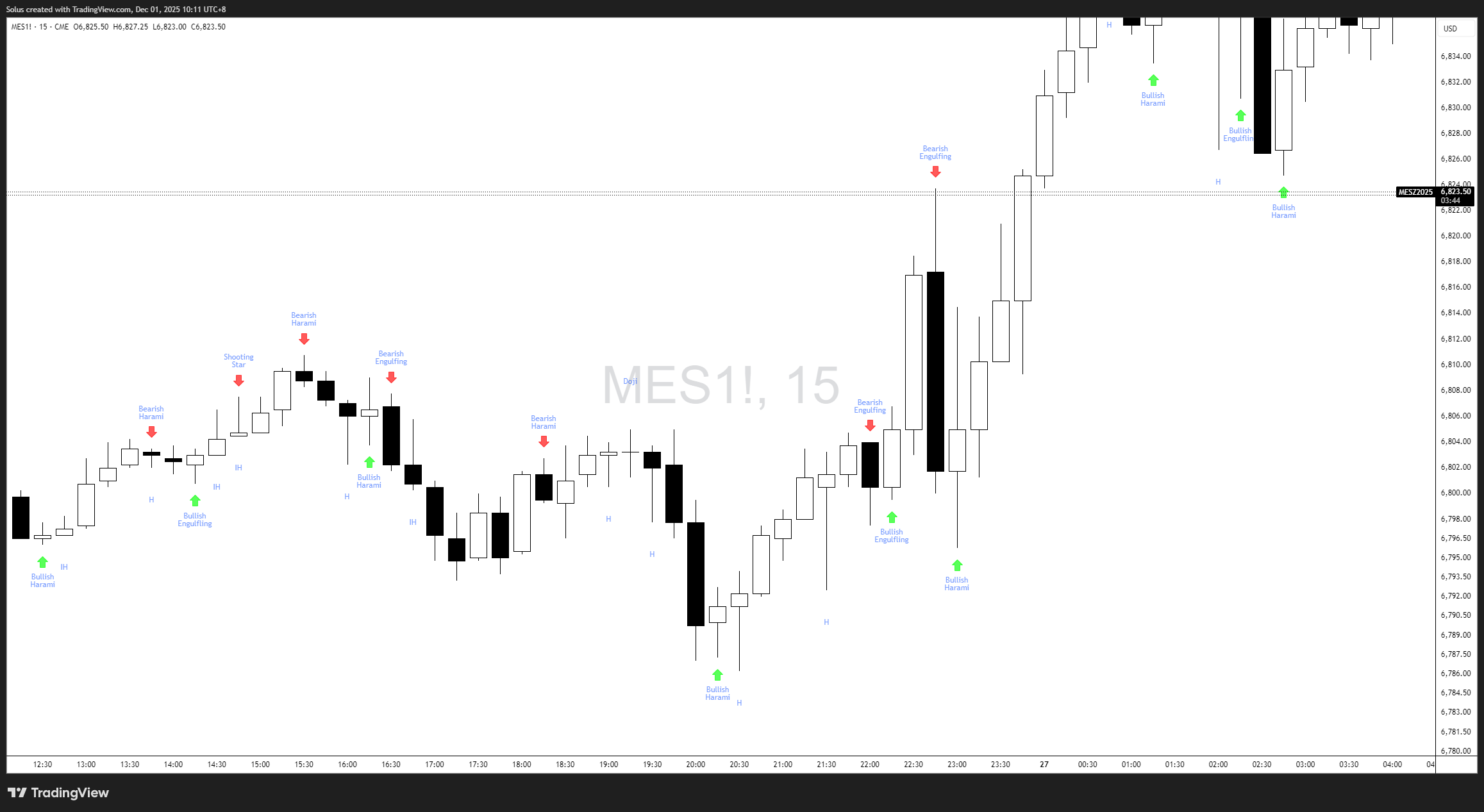
The “micro-lens” that sharpens your execution
Candlesticks give you entry clarity:
- rejections
- engulfings
- absorption wicks
- momentum shifts
But they only work at important locations in the structure.
Your strongest resources for candle mastery include:
- “Top 5 Japanese Candlesticks Every Trader Should Know”
- “High-Probability Trading Using Candlestick Patterns”
- “Engulfing Pattern Trading Strategy”
- “Morning & Evening Star Pattern Guide”
Minimalist use-case:
- Identify your level
- Wait for candle confirmation
- Execute with confidence
Candles are not your strategy.
They’re your timing tool.
5. RSI or Stochastics (One Oscillator Only)
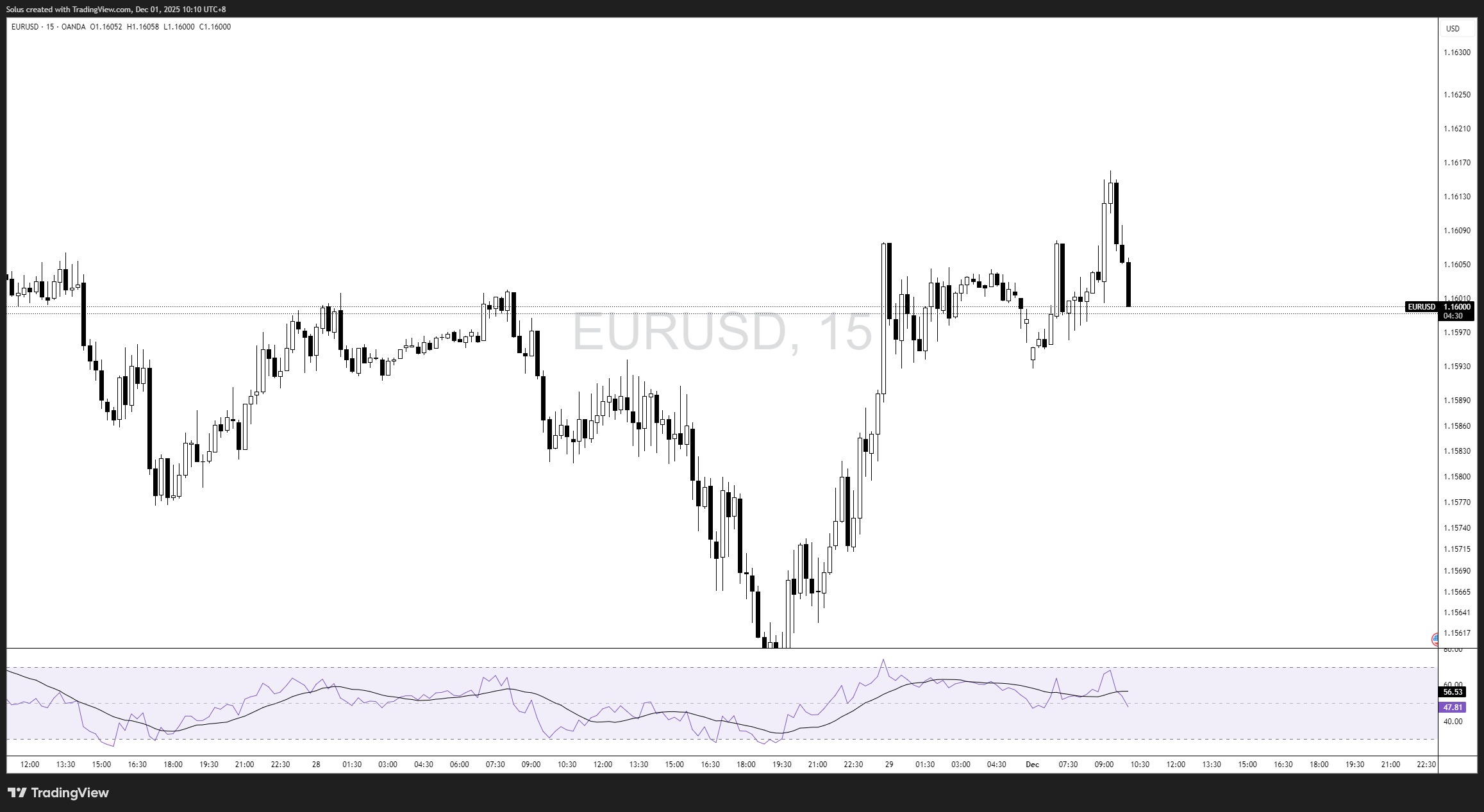
Confluence, not crutch
Oscillators are some of the most abused tools in trading.
Used incorrectly → false comfort
Used correctly → precision timing
Choose one:
- RSI or
- Stochastics
Your detailed guides include:
- “RSI Divergence Strategy for Gold”
- “RSI Hidden Divergence Explained”
- “Stochastics Trading Secrets”
- “Gold Trading With Stochastics - 2R to 3R Strategy”
Minimalist use-case:
- RSI divergence at major support
- Hidden divergence confirming trend continuations
- Stochastics pullback timing
Never trade oscillators in isolation.
Use them as confirmation only.
6. Risk & Session Tools
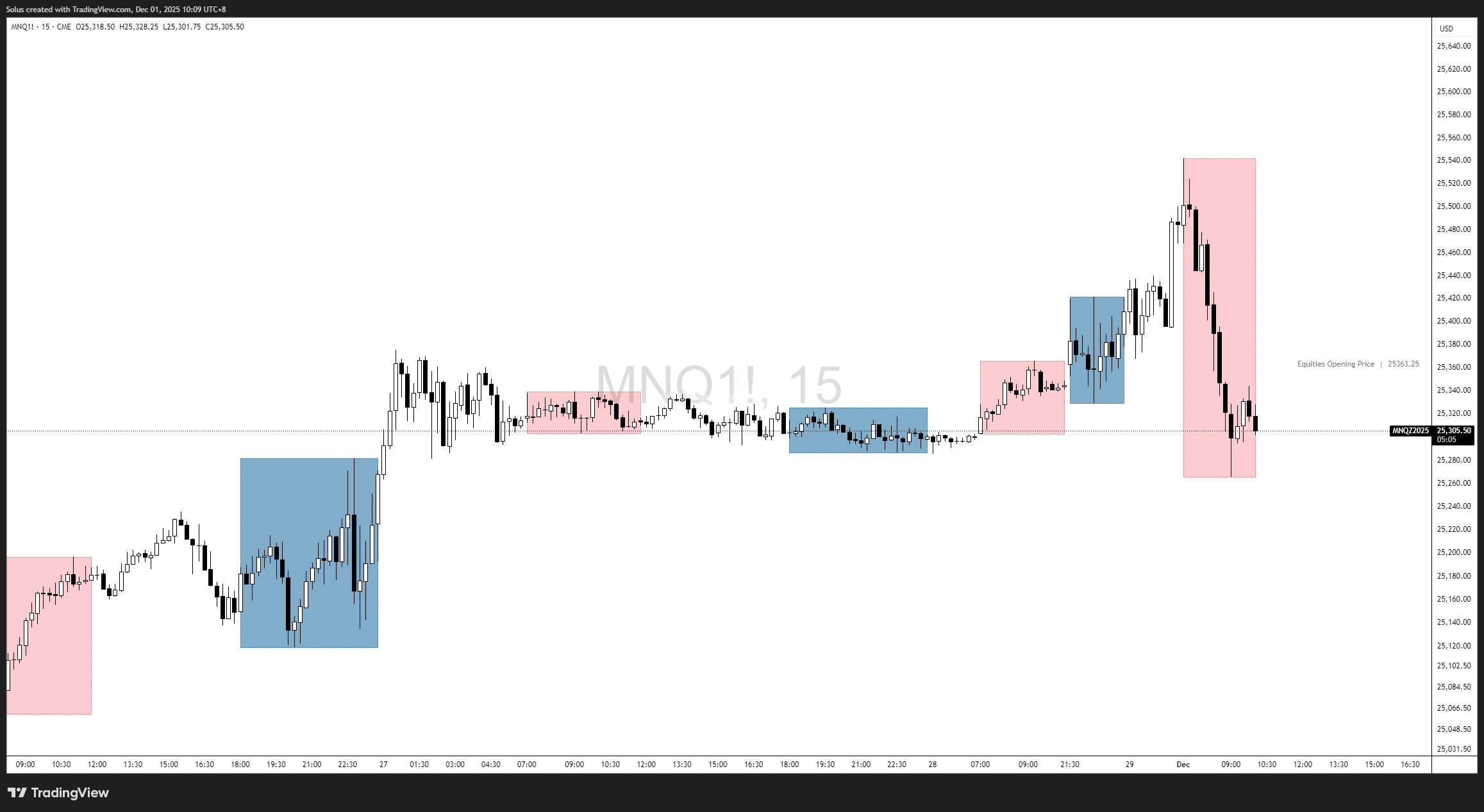
The invisible indicators that actually protect you
Some of the most powerful tools in trading don’t appear on your chart:
- position sizing calculators
- session filters
- news avoidance rules
- risk caps
- maximum daily loss limits
Your deepest guidance comes from:
- “Ultimate Guide to Risk Management in Trading”
- “Mastering Position Sizing”
- “Trading With Momentum - Best Sessions to Trade”
These tools shape:
- when you trade
- how much you risk
- how long you stay in the game
No chart tool can protect you from reckless risk-taking.
Risk tools can.
What a Minimalist Chart Does Not Include
To stay consistent:
- no more than 2–3 tools on screen
- no duplicated indicators showing the same thing
- no disorganized lines
- no colored spaghetti
- no “indicator shopping”
- no signal services
If you can’t explain an indicator’s purpose in one sentence, delete it.
Final Thoughts - Your Chart Reflects Your Mind
The goal of this module isn’t minimalism for aesthetics.
It’s minimalism for performance.
A chaotic chart leads to chaotic trades.
A clean chart leads to clean decisions.
When you combine:
- the clarity of price action
- the precision of a chosen tool (MA, Fibonacci, candlestick, or oscillator)
- the safety of strong risk management
…you create the foundation for consistent execution.
This is how professionals trade.
This is how beginners progress.
This is how your chosen strategy becomes repeatable.
The tools don’t make you profitable.
But the right tools make profitability possible.
Choose your lens.
Choose your confluence.
Remove everything else.
Your next level starts with clarity -
and clarity begins with the chart in front of you.
FAQs
1. Do I need indicators to become a consistently profitable trader?
Not necessarily. Many traders build their entire edge using nothing but price action, key levels, and timing. Indicators like moving averages, RSI, or Stochastics can help clarify structure or timing, but they should support your decisions - never replace them. If you can trade clean charts confidently, indicators simply enhance precision.
2. What is the best indicator for beginners?
There is no universal “best” indicator, but the simplest and most beginner-friendly is the moving average because it immediately shows trend direction, momentum, and dynamic support/resistance without overloading the chart. It pairs well with price-action guides like the Moving Averages Trading Strategy Playbook.
3. Can I combine multiple indicators for stronger confirmation?
Yes - but with limits. A minimalist chart should use one core lens (price action, moving averages, or Fibonacci) and one confluence tool (RSI, Stochastics, or candlesticks). When you stack too many, you create conflicting signals and hesitation. Your goal is clarity, not complexity.
4. Why do professional traders avoid indicator-heavy charts?
Because indicators lag. They are visual translations of past price, not predictions of where the market will go. Professionals rely on structure, levels, momentum, order flow, and execution timing, then use indicators sparingly to enhance edge - not to guess.
5. How do I know if my chart is too cluttered?
A simple test:
If you cannot explain your trade idea in less than one paragraph, remove tools until you can. Your chart should show - at a glance - trend direction, key levels, entry criteria, and risk placement. Anything that distracts from those essentials is noise.
Start Trading Live!
- Trade forex, indices, gold, and more
- Access ACY, MT4, MT5, & Copy Trading Platforms
It’s time to go from theory to execution!
Create an Account. Start Your Live Trading Now!
Check Out My Contents:
Beginners Path
- Learn Trading From Scratch: Clean, Simple, Zero-Noise
- Introduction to Trading: What Beginners Must Understand
- Choosing Your Trading Market: Forex, Gold, or Indices
- Beginner Trading Strategy: How to Choose One Setup and Commit
Strategies That You Can Use
Looking for step-by-step approaches you can plug straight into the charts? Start here:
- How To Trade & Scalp Indices at the Open Using Smart Money Concepts (SMC)
- How to Trade Breakouts Effectively in Day Trading with Smart Money Concepts
- Complete Step-by-Step Guide to Day Trading Gold (XAU/USD) with Smart Money Concepts (SMC)
- The Power of Multi-Timeframe Analysis in Smart Money Concepts (SMC)
- Forex Trading Strategy for Beginners
- Mastering Candlestick Pattern Analysis with the SMC Strategy for Day Trading
- How to Use Fibonacci to Set Targets & Stops (Complete Guide)
- RSI Divergence Trading Strategy for Gold: How to Identify and Trade Trend Reversals
- Stochastics Trading Secrets: How to Time Entries in Trending Markets using Stochastics
- Gold Trading Stochastics Strategy: How to Trade Gold with 2R - 3R Targets
- RSI Hidden Divergence Explained: How to Spot Trend Continuations Like a Pro
- Moving Averages Trading Strategy Playbook
- Mastering Fibonacci Trading Psychology - Trusting the Levels, Managing the Mind
- Mastering Price Action at Key Levels - How to Spot, Trade, and Win at the Most Crucial Zones
- Mastering Retests: How to Enter with Confirmation After a Breakout
Indicators / Tools for Trading
Sharpen your edge with proven tools and frameworks:
- The Ultimate Guide to Risk Management in Trading - A Complete Compilation for 2026
- Moving Averages Trading Strategy Playbook
- How to Think Like a Price Action Trader
- Mastering Fibonacci Trading Psychology - Trusting the Levels, Managing the Mind
How To Trade News
News moves markets fast. Learn how to keep pace with SMC-based playbooks:
- Why Smart Money Concepts Work in News-Driven Markets - CPI, NFP, and More
- How to Trade NFP Using Smart Money Concepts (SMC) - A Proven Strategy for Forex Traders
- How to Trade CPI Like Smart Money - A Step-by-Step Guide Using SMC
- Learn to Trade News by Backtesting it with Forex Tester
Learn How to Trade US Indices
From NASDAQ opens to DAX trends, here’s how to approach indices like a pro:
- How to Start Trading Indices and Get into the Stock Market with Low Capital (2026 Guide)
- Best Indices to Trade for Day Traders | NASDAQ, S&P 500, DAX + Best Times to Trade Them
- How To Trade & Scalp Indices at the Open Using Smart Money Concepts (SMC)
- NAS100 - How to Trade the Nasdaq Like a Pro (Smart Money Edition)
How to Start Trading Gold
Gold remains one of the most traded assets - here’s how to approach it with confidence:
- How to Swing Trade Gold (XAU/USD) Using Smart Money Concepts: A Simple Guide for Traders
- Complete Step-by-Step Guide to Day Trading Gold (XAU/USD) with Smart Money Concepts (SMC)
- The Ultimate Guide to Backtesting and Trading Gold (XAU/USD) Using Smart Money Concepts (SMC)
- Why Gold Remains the Ultimate Security in a Shifting World
- How to Exit & Take Profits in Trading Gold Like a Pro: Using RSI, Range Breakdowns, and MAs as Your Confluence
- Backtest Gold using Forex Tester Online
How to Trade Japanese Candlesticks
Candlesticks are the building blocks of price action. Master the most powerful ones:
- Mastering the Top Japanese Candlesticks: The Top 5 Candlesticks To Trade + Top SMC Candlestick Pattern
- How to Trade Candlestick Patterns with High Probability: A Complete Guide for Beginners
- The Top Japanese Candlestick Guide: What is an Engulfing Pattern and How to Trade It?
- Piercing Pattern Candlestick Explained: How to Trade It - Step-By-Step Guide
- Morning & Evening Star Candlestick Patterns - How to Trade Market Reversals with Confidence
How to Start Day Trading
Ready to go intraday? Here’s how to build consistency step by step:
- 5 Steps to Start Day Trading: A Strategic Guide for Beginners
- 8 Steps How to Start Forex Day Trading in 2026: A Beginner’s Step-by-Step Guide
- 3 Steps to Build a Trading Routine for Consistency and Discipline - Day Trading Edition
- The Ultimate Guide to Understanding Market Trends and Price Action
- Trading with Momentum: The Best Trading Session to Trade Forex, Gold and Indices
Swing Trading 101
- Introduction to Swing Trading
- The Market Basics for Swing Trading
- Core Principles of Swing Trading
- The Technical Foundations Every Swing Trader Must Master
- Swing Trader’s Toolkit: Multi-Timeframe & Institutional Confluence
- The Psychology of Risk Management in Swing Trading
- Swing Trading Concepts To Know In Trading with Smart Money Concepts
- Becoming a Consistent Swing Trader: Trading Structure & Scaling Strategy
Learn how to navigate yourself in times of turmoil
Markets swing between calm and chaos. Learn to read risk-on vs risk-off like a pro:
- How to Identify Risk-On and Risk-Off Market Sentiment: A Complete Trader’s Guide
- How to Trade Risk-On and Risk-Off Sentiment - With Technical Confirmation
- The Ultimate Guide to Understanding Market Trends and Price Action
- Metals in Risk-On and Risk-Off Environments: How Sentiment Moves Gold and Commodities
Want to learn how to trade like the Smart Money?
Step inside the playbook of institutional traders with SMC concepts explained:
- Why Smart Money Concepts Work: The Truth Behind Liquidity and Price Action
- Mastering the Market with Smart Money Concepts: 5 Strategic Approaches
- Understanding Liquidity Sweep: How Smart Money Trades Liquidity Zones in Forex, Gold, US Indices
- The SMC Playbook Series Part 1: What Moves the Markets? Key Drivers Behind Forex, Gold & Stock Indices
- The SMC Playbook Series Part 2: How to Spot Liquidity Pools in Trading - Internal vs External Liquidity Explained
- Fair Value Gaps Explained: How Smart Money Leaves Footprints in the Market
- Accumulation, Manipulation, Distribution: The Hidden Cycle That Runs Every Market
- Institutional Order Flow - Reading the Market Through the Eyes of the Big Players
- London Session Trading Secrets: How Smart Money Sets the High & Low of the Day
- Mastering the New York Session - Smart Money Concepts Guide
- Anatomy of a Perfect Execution: How SMC Traders Trade with Precision
- Step-by-Step Trading Confirmation Guide for Precise Execution
- Execution Psychology: Turning Hesitation into Confidence
- What Is an Order Block? The Institutional Footprint Explained
- Anatomy of a Valid Order Block in Smart Money Concepts
- How to Draw Order Blocks Accurately - Day Trading Style
- Order Blocks and AMD Market Structure (Smart Money Concepts)
- The Confirmation Model: OB + FVG + Liquidity Sweep (Smart Money Concepts)
Master the World’s Most Popular Forex Pairs
Forex pairs aren’t created equal - some are stable, some are volatile, others tied to commodities or sessions.
- The Top 5 All-Time Best Forex Pairs to Trade
- Top Forex Pairs Beyond the Big Five
- EUR/USD: The King of Forex
- USD/JPY: The Fast Mover
- GBP/USD: The Volatile Cable
- AUD/USD: The Commodity Currency
- USD/CAD: The Oil-Backed Pair
- GBP/JPY: How to Trade The Beast
- Asian & London Session Secrets
- Mastering the New York Session
Metals Trading
- Metals Trading: Why Gold and Metals Are Rising Again
- Silver Trading: The Underdog with Dual Identity
- Gold vs Silver: Institutional Demand Breakdown Explained
- How to Day Trade Silver Like a Pro: Smart Money Tactics for XAG/USD
- Platinum & Palladium: The Quiet Power Duo of Industrial Metals
- How to Trade Metals with SMC and Fundamentals - Gold Trading Strategy
- Metals in Risk-On and Risk-Off Environments: How Sentiment Moves Gold and Commodities
- Future of Metals Market: Gold Forecast 2026 & Long-Term Commodities Outlook
Stop Hunting 101
If you’ve ever been stopped out right before the market reverses - this is why:
- Stop Hunting 101: How Swing Highs and Lows Become Liquidity Traps
- Outsmarting Stop Hunts: The Psychology Behind the Trap
- How to Lessen Risk From Stop Hunts in Trading
- How Stop Hunts Trigger Revenge Trading - Breaking the Pain Cycle
- How to Accept Stop Hunts Without Losing Discipline - Shifting From Frustration to Focus
Trading Psychology
Mindset is the deciding factor between growth and blowups. Explore these essentials:
- The Mental Game of Execution - Debunking the Common Trading Psychology
- Managing Trading Losses: Why You Can Be Wrong and Still Win Big in Trading
- The Hidden Threat in Trading: How Performance Anxiety Sabotages Your Edge
- Why 90% of Retail Traders Fail Even with Profitable Trading Strategies
- Top 10 Habits Profitable Traders Follow Daily to Stay Consistent
- Top 10 Trading Rules of the Most Successful Traders
- Top 10 Ways to Prevent Emotional Trading and Stay Disciplined in the Markets
- Why Most Traders Fail - Trading Psychology & The Hidden Mental Game
- Emotional Awareness in Trading - Naming Your Triggers
- Discipline vs. Impulse in Trading - Step-by Step Guide How to Build Control
- Trading Journal & Reflection - The Trader’s Mirror
- Overcoming FOMO & Revenge Trading in Forex - Why Patience Pays
- Risk of Ruin in Trading - Respect the Math of Survival
- Identity-Based Trading: Become Your Trading System for Consistency
- Trading Psychology: Aligning Emotions with Your System
- Mastering Fear in Trading: Turn Doubt into a Protective Signal
- Mastering Greed in Trading: Turn Ambition into Controlled Growth
- Mastering Boredom in Trading: From Restless Clicking to Patient Precision
- Mastering Doubt in Trading: Building Confidence Through Backtesting and Pattern Recognition
- Mastering Impatience in Trading: Turn Patience Into Profit
- Mastering Frustration in Trading: Turning Losses Into Lessons
- Mastering Hope in Trading: Replacing Denial With Discipline
- When to Quit on Trading - Read This!
- The Math of Compounding in Trading
- Why Daily Wins Matter More Than Big Wins
- Scaling in Trading: When & How to Increase Lot Sizes
- Why Patience in Trading Fuels the Compounding Growth
- Step-by-Step Guide on How to Manage Losses for Compounding Growth
- The Daily Habits of Profitable Traders: Building Your Compounding Routine
- Trading Edge: Definition, Misconceptions & Casino Analogy
- Finding Your Edge: From Chaos to Clarity
- Proving Your Edge: Backtesting Without Bias
- Forward Testing in Trading: How to Prove Your Edge Live
- Measuring Your Edge: Metrics That Matter
- Refining Your Edge: Iteration Without Overfitting
- The EDGE Framework: Knowing When and How to Evolve as a Trader
- Scaling Your Edge: From Small Account to Consistency
- Trading in the Zone: Execution Through Habit and Structure
- Trading in the Zone: Thinking in Probabilities
- The Inner War: Fear, Greed, and the Illusion of Control
- Detachment Discipline in Trading: How to Let Go of the Need to Be Right
- Trading Hack: Why You Keep Breaking Your Own Rules (And How to Stop)
- Trading Mindset Mastery: Building Confidence Through Data
- Flow State Trading: Entering the Zone Through Structure
- Cognitive Traps in Trading: Overconfidence, Recency Bias & Revenge Trades
- The Psychology of Risk in Trading: Fear of Loss vs Fear of Missing Out
- Self-Trust in Trading – Building Confidence from Repetition, Not Just Results
- The Zen of Trading: Becoming the Observer, Not the Reactor
- The Market Is Always Right: Why You Must Adapt, Not Demand
- The Three Stages to Becoming a Consistent Trader
- The Enemy Within: Limiting Beliefs and Emotional Conflict in Trading
- Self-Discipline in Trading: A Skill, Not a Personality Trait
- Mental Energy Management in Trading: Controlling Impulse, Stress, and Overwhelm
- Creating the Disciplined Trader Identity
- The Disciplined Trader: The Complete Blueprint for Consistency
Market Drivers
- Central Banks and Interest Rates: How They Move Your Trades
- Inflation & Economic Data: CPI Trading Strategy and PPI Indicator Guide
- Geopolitical Risks & Safe Havens in Trading (Gold, USD, JPY, CHF)
- Jobs, Growth & Recession Fears: NFP, GDP & Unemployment in Trading
- Commodities & Global Trade: Oil, Gold, and Forex Explained
- Market Correlations & Intermarket Analysis for Traders
Risk Management
The real edge in trading isn’t strategy - it’s how you protect your capital:
- Mastering Risk Management: Stop Loss, Take Profit, and Position Sizing
- Why Risk Management Is the Only Edge That Lasts
- How Much Should You Risk per Trade? (1%, 2%, or Less?)
- The Ultimate Risk Management Plan for Prop Firm Traders - Updated 2026
- Mastering Position Sizing: Automate or Calculate Your Risk Like a Pro
- Martingale Strategy in Trading: Compounding Power or Double-Edged Sword?
- How to Add to Winners Using Cost Averaging and Martingale Principle with Price Confirmation
- Managing Imperfect Entries in Trading - How Professionals Stay Composed
Suggested Learning Path
If you’re not sure where to start, follow this roadmap:
- Start with Trading Psychology → Build the mindset first.
- Move into Risk Management → Learn how to protect capital.
- Explore Strategies & Tools → Candlesticks, Fibonacci, MAs, Indicators.
- Apply to Assets → Gold, Indices, Forex sessions.
- Advance to Smart Money Concepts (SMC) → Learn how institutions trade.
- Specialize → Stop Hunts, News Trading, Turmoil Navigation.
This way, you’ll grow from foundation → application → mastery, instead of jumping around randomly.
Follow me for more daily market insights!
Jasper Osita - LinkedIn - FXStreet - YouTube
This content may have been written by a third party. ACY makes no representation or warranty and assumes no liability as to the accuracy or completeness of the information provided, nor any loss arising from any investment based on a recommendation, forecast or other information supplies by any third-party. This content is information only, and does not constitute financial, investment or other advice on which you can rely.